
Responsible sea kayaking
As sea kayakers we realize we are privileged to be in an environment that few people have access to. We also are able to encounter marine wildlife in a way that is incomparable to any other method. With this comes a responsibility to ensure that the environment and the wildlife we encounter remain unaltered and undisturbed by our presence.
As a sea kayak club we endorse responsible practice around marine wildlife and would aim to adhere to the recommendations laid down by our membership of the WiSE scheme- The UKs national training scheme for best practice around marine and coastal wildlife to minimise disturbance
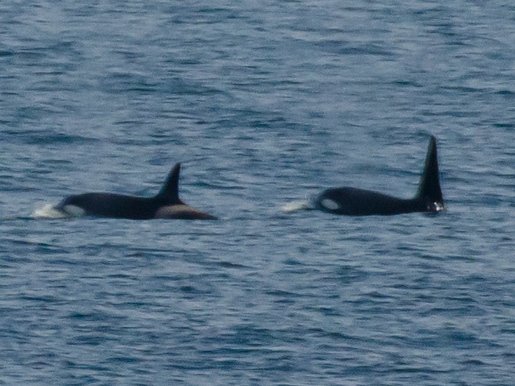
Kayakers around whales and Dolphins
- Keep at least 100m away ( unless they approach you)
- Don’t ‘chase’ or surround them
- Maintain your intended course and direction
- Try not be within a group of animals (you may be separating adults and calves)
- Keep back from actively feeding animals
- Limit contact time to a maximum of 15 minutes
- Solitary dolphins may be habituated or injured/ sick
British Divers Marine Life Rescue- Action for stranded animals
Please, do NOT put them back in the sea! They may need treatment and/or a period of recovery before they are fit enough to swim strongly. They may even be too ill to return to the sea and so any attempts to return them can prolong their suffering.
CALL Marine Life Rescue- Action ON 01825 765546 and they will dispatch trained Marine Mammal Medics to assist.
Whilst you’re waiting for Medics to arrive, follow the 5 P’s…
Cetaceans (whales, dolphins, and porpoises) can carry viruses transmissible to humans (and vice versa!), so please put on a facemask and gloves before doing anything else. Avoid the blowhole (the hole on the top – this is how it breathes) for any discharge and steer clear of the tail in case it is thrashing.
POSITIONING: If the animal is on its side, please upright them by gently rolling them onto their underbelly (You might need some people to help you!) Dig trenches under their pectoral fins so they can hang down comfortably.
POUR WATER: If the animal is completely stranded on land, pour water over it to keep its skin moist, ensuring that nothing goes down the blowhole. If you have a thin sheet or even seaweed that you can soak with water and drape over the dolphin, please do so but again avoid covering the blowhole so it can breathe.
PEOPLE: Keep noise and the number of people around the animal to a minimum to reduce stress. Continue to keep the dolphin wet and wait for BDMLR to arrive. Remember to keep everyone safe first and foremost, so do not put yourself in danger with tides, bad weather, rough seas and so on.
PHOTOS: Take and send photos and videos to the BDMLR call handler so next steps can be considered.
Following these steps gives the animal their best chance at survival. BDMLR team of trained Marine Mammal Medics will be with you shortly and will act on what’s best for the animal’s welfare. exhibitions, workshops, and panel discussions. The exhibitions showcase a curated selection of photographs that tell compelling stories from various corners of the globe, each image accompanied by detailed narratives that provide context and deeper insight into the historical significance of the scenes depicted. These photographs are drawn from the archives of renowned photographers, as well as emerging talents, ensuring a blend of both classical and contemporary perspectives.
Paddlers and Seals
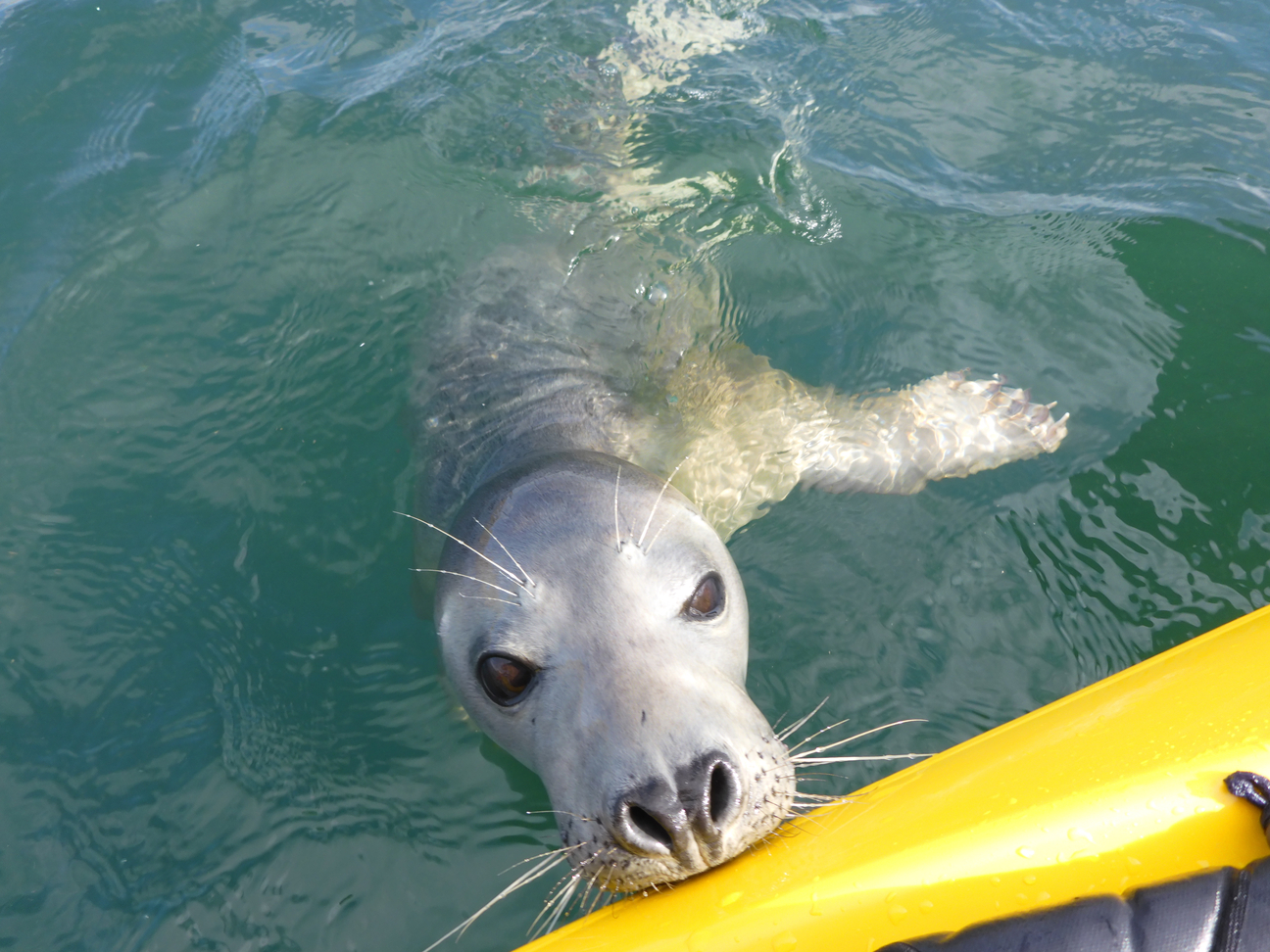
- If possible avoid areas known for seal haul outs during the pupping season. Grey seals – October to January. Common/ Harbour seals- summer
- Stay at least 100m away (further if large numbers of seals)
- Pass side on & keep going (only predators stop!)
- Groups of kayaks are better together as less threatening
- Watch out for seals reactions and move away if seals look at you (before the stampede or tombstoning!)
- Seals (particularly pups) on rocks are at risk of injury from tombstoning and stampeding adults!
- The outline of a kayak resembles an Orca! If they approach you , keep moving!
Paddlers and Seabirds
- Stay at a safe distance from cliffs with nesting seabirds during the breeding season, ideally at least 50 metres from the cliff.
- Paddle past quietly and steadily so as not to panic the birds and allow seabirds to resettle quickly.
- At all times watch the birds’ reaction and respect them by acting accordingly. This includes agitation (head bobbing) and increased vocalisation.
- Some of the Auk family, Guillemots, Razorbills, incubate eggs with their feet and sudden disturbance can cause the egg to fall off the cliff edge.
- Avoid paddling in large groups.
- On shore be vigilant for nests on the ground and move out of any breeding area as soon as you realise you are in or close to it. Walking over a burrow can crush the nest, or cause the adult to desert its young, so be aware of their presence. Remember, reckless destruction of active burrows is illegal under the Wildlife and Countryside Act 1981.
- Avoid panicking seabirds on the water into flight. These birds are likely to be feeding or resting, so disturbance is likely to cause them to use up extra energy or reduce their feeding time.
- In late summer many seabirds and ducks moult and are at their weakest and most vulnerable. Some species such as guillemots and razorbills are often with their flightless young in the waters around breeding colonies at this time too. Avoid high tide roosts of shore birds and feeding concentrations of water birds on estuaries.

Wildlife Crime
Legislation includes
- Wildlife & natural environment Act 2011 ( Scotland)
- Marine ( Scotland) Act 2010
- W|ildlife and Countryside Act
Principles:
The deliberate disturbance and harm ( intentional)
Or
Reckless Disturbance ( unintentional but would be expected to cause this disturbance)
Disturbance caused by ensuring someone’s safety IS NOT an offence
In this age of social media there are few isolated places!.